A morning in another century.
Come back for chai.
Sirpur, on the banks of the Mahanadi, was the capital of a kingdom more than a thousand years ago. Today it is a quiet village of brick temples, monastery remains and a museum of sculpture. The Gaon Resort, about 10 to 12 km away, offers a slower way to see it: explore in the morning, rest in the afternoon.
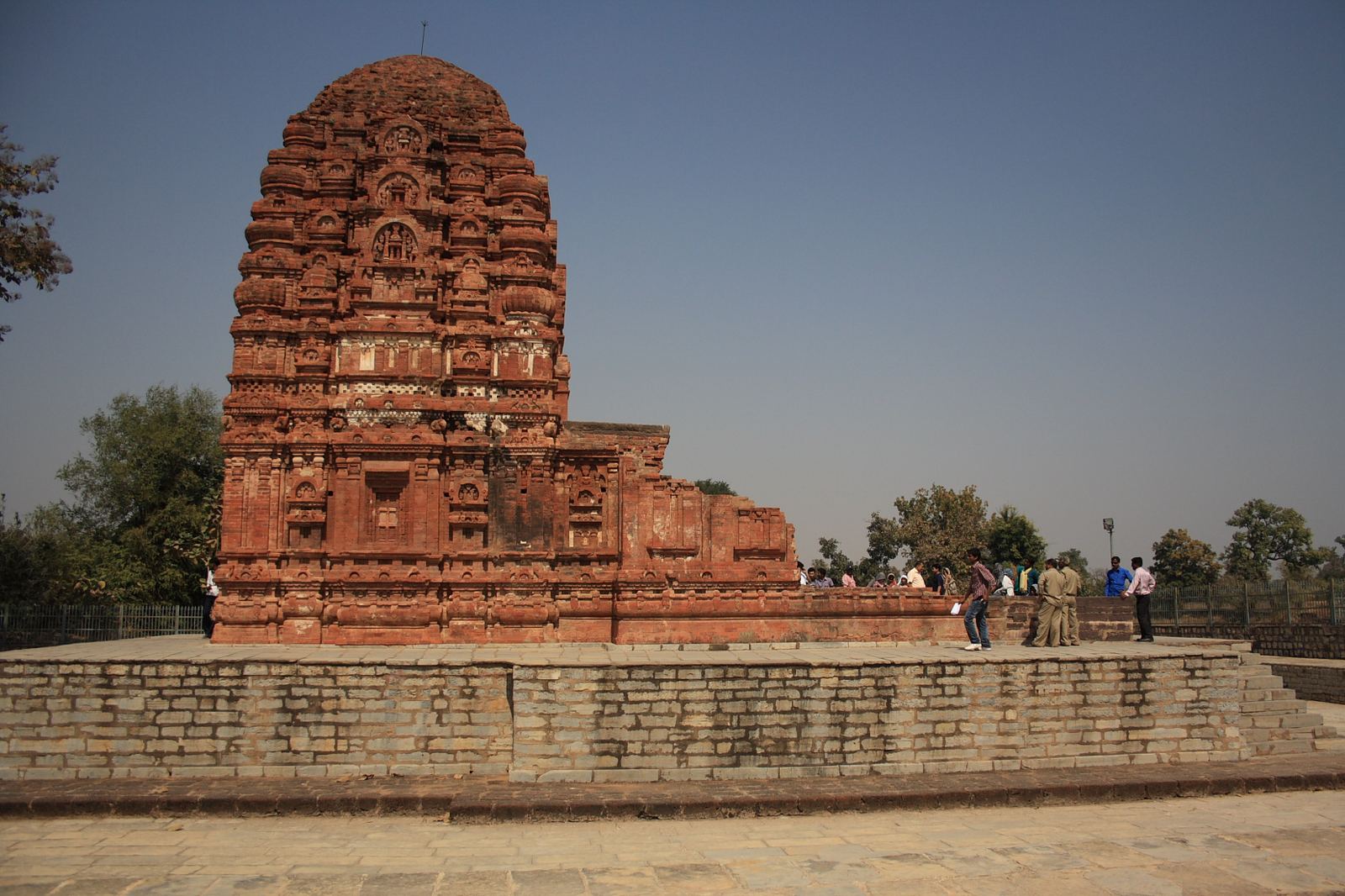
A thousand years, still standing
Sirpur sits on the right bank of the Mahanadi in Mahasamund district, about 78 km east of Raipur by published accounts. It is one of the most layered heritage sites in central India: Hindu, Buddhist and Jain monuments built mainly between the 5th and 12th centuries.
Between roughly the 6th and 8th centuries the town was Shripura, a capital of Dakshina Kosala. The Chinese traveller Hiuen Tsang (Xuanzang) is recorded as visiting around 639 CE, a big part of why Sirpur is remembered as a centre of Buddhist learning. In 1882, Alexander Cunningham’s report on the Laxman Temple brought the site wider attention. Today the ASI protects the monuments and runs a museum at the Laxman Temple precinct.
For a traveller, the appeal is simple. Sirpur is old, calm and quiet in feel, and you can see a lot in half a day without hurrying.
A journey through history
Sirpur’s rulers belonged to the Sharabhapuriya and later Panduvamshi dynasties, who governed Dakshina Kosala from here. What makes the town unusual is that several faiths shared it, temples to Shiva and Vishnu, Buddhist viharas and Jain remains, within the same archaeological landscape.
1. Laxman Temple & ASI museum
An early brick temple of Vishnu, attributed to Queen Vasata, and the monument that first brought Sirpur international attention. A small ASI museum in the precinct displays sculpture and artefacts, the best place to begin. ASI-protected, ticketed.
2. Rama Temple remains
The remains of an early Rama temple, notable for a star-shaped platform described as one of the earliest of its kind in central India.
3. Surang Tila
The largest temple complex at Sirpur. A pillared terrace rises about 30 feet, reached by stone steps, before excavation it looked like a mound of earth. Steps are steep; take care with children and elderly companions.
4. Gandheshwar Temple
An active Shiva temple on the bank of the Mahanadi, reached by stone steps from the river, incorporating older carved fragments from Sirpur’s Hindu, Buddhist and Jain remains. A working temple, dress and behave respectfully.
5. Buddhist monastery remains
Sirpur has the remains of several Buddhist viharas, among them the Anand Prabhu Kuti Vihar (commonly dated to the 8th century) and the Swastik Vihar. For Buddhist heritage, this is the heart of Sirpur.
6. The Mahanadi riverbank
Sirpur sits on the Mahanadi, and the river is part of the visit: the Gandheshwar steps lead down to it, and many visitors come for the light on the water. Check the river’s condition locally, especially in the monsoon.
7. Sirpur National Dance and Music Festival
In past years the Chhattisgarh Tourism Board has organised a Sirpur National Dance and Music Festival in January, in the Laxman Temple precinct. Whether it is held in a given year, and when, must be confirmed with Chhattisgarh Tourism.
A village on a river
Sirpur is not only a monument. It is a village on a river, in a green stretch of Chhattisgarh, where life goes on at a slower pace than in the city. The roads are quiet, the surroundings are open, and a morning here is as much about the walk between sites as the sites themselves.
We do not run organised Sirpur tours, and this is not a resort package. You can visit independently, or with a local guide arranged through the tourism authorities. Some visitors also pair Sirpur with Barnawapara Wildlife Sanctuary; that is a separate trip, and its distance and arrangements should be checked independently.
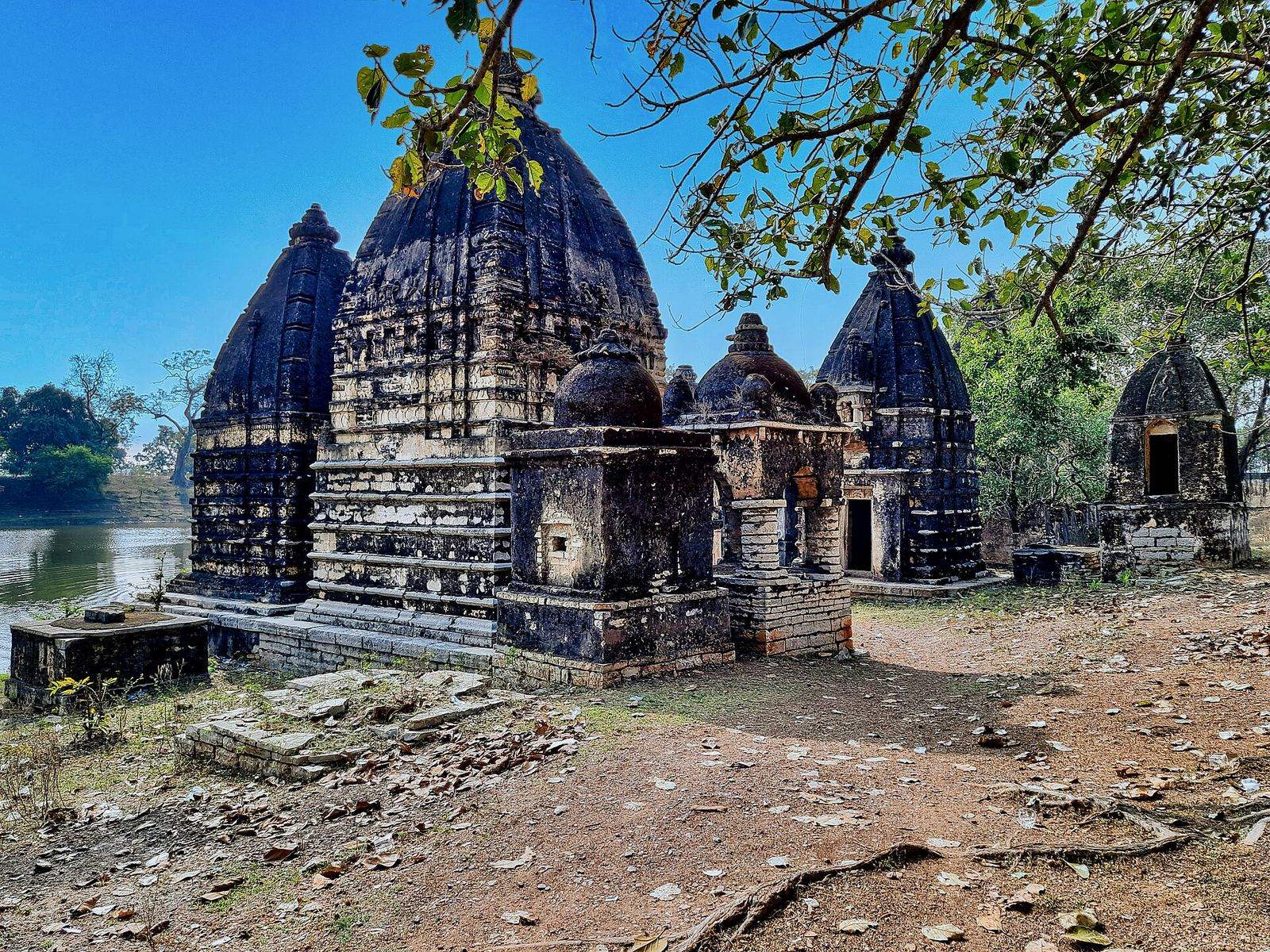
A slower way to explore
Heritage sightseeing works best in short bursts. Sirpur’s monuments are spread out, often in the open, and the details take time to absorb. A full day of ruins can leave you tired, reading the same few carvings over and over.
Staying about 10 to 12 km away changes the rhythm. See two or three sites in the morning, return for a swim or a rest in the afternoon, then decide whether you want one more stop or an evening at the chai tapri. Come back the next day and see something else.
The resort’s role is simple: a comfortable, green place to rest between the sights.
A suggested one-day rhythm
- Morning: Laxman Temple and the ASI museum, then Surang Tila
- Midday: back to the resort for lunch and a rest by the pool
- Afternoon: Gandheshwar Temple and the Mahanadi riverbank
- Evening: chai at the tapri, bonfire if the season is right
Illustrative only, not a confirmed package or guaranteed tour. Check opening arrangements for every site before you set out.
Plan your visit
- Getting there: about 78 km from Raipur per published sources; Raipur has an airport with daily flights to major cities. We share the route and map pin with every enquiry.
- Access and tickets: the ASI protects the main monuments and some are ticketed. Hours, fees and photography rules can change; check with ASI or Chhattisgarh Tourism before you travel.
- Season: sites are largely outdoors. In very hot or wet weather, plan visits for early in the day.
- What to carry: shoes with good grip for steps, a hat or umbrella, drinking water, and modest clothing for temples.
- Check before you leave: opening hours and closing day of each site; whether any event affects crowds.
Heritage in the morning. Chai by the evening.